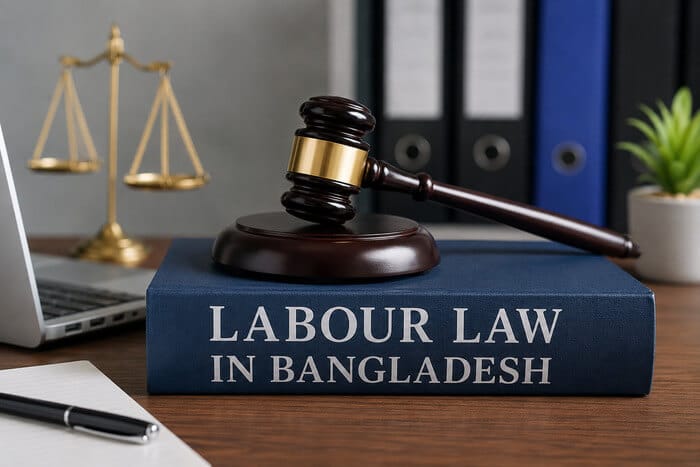
Labour Law in Bangladesh: Labour law plays an important role in regulating the relationship between employers and workers. It sets out the rights, duties, responsibilities, and legal protections relating to employment, wages, working hours, termination, workplace safety, compensation, trade unions, and industrial disputes.
In Bangladesh, the main legal framework governing employment and labour matters is the Bangladesh Labour Act, 2006, along with the Bangladesh Labour Rules, 2015. These laws provide essential guidance for both employers and employees regarding lawful employment practices, workplace compliance, and dispute resolution.
At M. Elahi & Associates, we help employers and workers navigate labour law matters with professional legal guidance. This guide outlines the key areas of labour law every employer and employee should understand.
Understanding the Importance of Labour Law
Labour law governs the legal relationship between workers and employers across all stages of employment — from appointment to termination. Failing to follow proper legal procedures can lead to Labour Court cases, financial penalties, and prolonged disputes.
Both employers and employees should understand their rights and responsibilities under the law to avoid unnecessary conflict and ensure fair treatment in the workplace.
Key Areas Covered by Labour Law in Bangladesh
- Employment and Appointment
The employer should maintain proper employment records and provide clear terms of employment. A worker’s job role, salary, working hours, leave entitlement, and other service conditions should be properly documented.
Why it matters:
Proper appointment letters and service records help prevent future disputes regarding salary, designation, job responsibilities, termination, or length of service.
Common issues:
- No written appointment letter provided
- Unclear or incomplete service terms
- Disputed employment start dates or job roles
- Absence of signed employment contracts
- Working Hours and Overtime
Labour law regulates working hours, rest periods, weekly holidays, and overtime. Employers must ensure that workers are not required to work beyond lawful limits without proper overtime payment.
Why it matters:
Overtime disputes are common in Bangladesh, especially where employers fail to maintain attendance records, salary sheets, or written overtime calculations.
Common issues:
- Excess working hours without overtime payment
- Missing attendance or shift records
- Disputes over daily and weekly rest periods
- Wages and Salary Payment
Payment of wages is one of the most important areas of labour law. Workers have the right to receive wages lawfully and within the prescribed time. Employers should keep proper wage records, attendance sheets, payment registers, and salary documentation.
Common wage-related disputes include:
- Unpaid salary
- Delayed salary payment
- Unpaid overtime
- Illegal deduction from wages
- Non-payment of final settlement
- Disputes over bonus, allowance, or service benefits
- Leave and Holidays
Workers may be entitled to different types of leave depending on their employment status and applicable law. These may include casual leave, sick leave, annual leave, festival holidays, and maternity leave.
Why it matters:
Employers should maintain a proper leave register and written leave approval system to avoid future disagreement regarding leave entitlement, deductions, or unauthorized absence.
Common issues:
- Disputed leave balance or deductions
- Refusal of lawful leave entitlement
- Missing leave records or approval documents
- Termination of Employment
Termination of employment must be handled carefully under labour law. Employers should follow the proper legal process before terminating a worker. Depending on the situation, termination may involve notice, wages in lieu of notice, compensation, inquiry procedure, or written explanation.
Common termination-related issues include:
- Termination without notice
- Dismissal without proper inquiry
- Forced resignation
- Non-payment of final dues
- Illegal retrenchment
- Dispute over misconduct allegations
Employees who believe they have been unlawfully terminated may seek legal remedies through the appropriate legal forum.
- Maternity Benefits
Labour law provides protection for eligible female workers in relation to maternity benefits. Employers must be careful not to terminate or discriminate against a worker because of pregnancy or maternity-related issues.
Common issues:
- Refusal to pay maternity benefits
- Termination during pregnancy
- Failure to follow lawful maternity leave procedures
- Workplace Safety and Compensation
Employers have a duty to maintain a safe working environment. Where a worker suffers injury due to an accident arising out of and in the course of employment, compensation issues may arise under labour law.
Why it matters:
Workplace safety is particularly important in factories, construction sites, industrial establishments, manufacturing units, transport businesses, and other high-risk workplaces.
Common issues:
- Failure to maintain safe working conditions
- Refusal to pay workplace injury compensation
- Disputes over the cause or extent of injury
- Trade Union and Industrial Disputes
Labour law in Bangladesh also deals with trade unions, collective bargaining agents, and industrial disputes. Workers may have the right to organise and raise collective demands through lawful procedures.
Common issues:
- Interference with trade union formation or activities
- Disputes over collective bargaining rights
- Industrial disputes involving wages, termination, or working conditions
Labour Court in Bangladesh
Labour disputes are generally handled through the Labour Court. A worker or employer may bring a legal claim depending on the nature of the dispute.
Common Labour Court matters include:
- Unpaid wages
- Illegal termination
- Dismissal disputes
- Gratuity or service benefit claims
- Compensation for workplace injury
- Trade union-related disputes
- Industrial dispute matters
Before filing a case, it is important to review the facts, documents, limitation period, and applicable legal provisions.
Why You Should Consult a Lawyer
Navigating Labour Court proceedings and government offices can be complex and time-consuming. M. Elahi & Associates (Elahi Legal) specialises in employment and labour law in Bangladesh. Their expertise includes:
Legal Advice and Consultation
Assessing your situation under the Bangladesh Labour Act, 2006 and applicable rules. We advise both employers and employees on their rights and obligations.
Document Review
Reviewing employment contracts, appointment letters, termination notices, salary records, and inquiry documents to identify legal strengths and weaknesses.
Labour Court Representation
- Filing and defending Labour Court cases
- Drafting legal notices and applications
- Representing your interests at all stages of litigation
- Advising on limitation periods and procedural requirements
Employer Compliance Advice
- Reviewing and drafting employment policies and service rules
- Advising on lawful termination and disciplinary procedures
- Guiding employers on wage payment obligations and overtime compliance
Settlement and Negotiation Support
- Assisting in pre-litigation negotiation
- Drafting settlement agreements
- Exploring alternative dispute resolution options
Common Challenges and Solutions
Missing Employment Records
Many labour disputes arise because proper employment records were never maintained. Our legal team assists clients in gathering available evidence and building the strongest possible case from existing documents.
Processing Delays
Labour Court proceedings can take time. Regular legal follow-up and proper case management help ensure your matter moves forward efficiently.
Disputed Termination or Salary Claims
Where termination or salary disputes are contested, immediate legal advice is necessary. Acting quickly to preserve evidence and meet limitation deadlines can significantly affect the outcome.
Key Takeaways
- Act on Legal Matters Promptly
Labour law disputes have limitation periods. Delaying legal action may prevent you from filing a valid claim. Seek advice as soon as a dispute arises.
- Maintain Proper Employment Documentation
Both employers and employees should keep proper records of appointment, salary, attendance, leave, termination, and any written communications. Good documentation is the foundation of a strong labour law case.
- Follow Lawful Procedures
Employers must follow proper legal procedures for termination, dismissal, retrenchment, and disciplinary action. Procedural errors can result in liability even where the underlying reason for termination is valid.
- Know Your Rights
Workers should be aware of their rights regarding wages, overtime, leave, safety, maternity benefits, and termination. Understanding your legal position helps you respond appropriately when disputes arise.
- Seek Professional Legal Advice Before Taking Action
Whether you are an employer or an employee, taking legal action — or responding to a legal claim — without proper advice can lead to costly mistakes. Consult a qualified lawyer first.
Prevention: Good Practices Going Forward
- Issue proper written appointment letters and employment contracts
- Maintain accurate salary, attendance, and overtime records
- Follow lawful procedures for termination, dismissal, and disciplinary action
- Keep a written leave register and approval system
- Review workplace safety measures regularly
- Keep copies of all employment-related documents
- Raise workplace grievances through proper channels
- Be aware of limitation periods for Labour Court claims
Need Legal Assistance?
If you are an employer facing a labour dispute or an employee seeking your lawful rights, contact Elahi Legal today.
Phone: +880-17175-54759 Website: elahilegal.com Office: Eastern Arzoo Suite No. 1 (11th Floor), 61, Bijoy Nagar, Dhaka-1000
Our experienced lawyers are ready to review your documents, assess your legal options, and guide you through every step of the process.
Don’t let a labour dispute affect your livelihood or your business. Act now and get expert legal support.